
 Español
 Portugues
 Pусский
 Français
 Deutsch
 日本語
日本語 한국어
한국어 العربية
 Italiano
 Ελληνικά
 Polski
 Türk dili
 Indonesia
 Melayu
 Tiếng Việt
 বাংলা
বাংলা norsk
norsk Română
 Azərbaycan
 中文站
中文站
 +86-514-88253368
Synthetic Rope
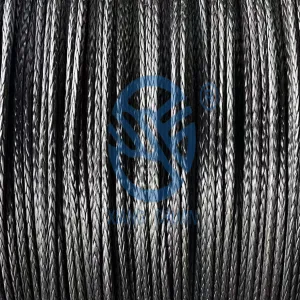
Synthetic rope is an essential material widely used across various industries due to its versatility, strength, and resistance to environmental factors. Unlike traditional natural fiber ropes made from materials such as hemp or cotton, synthetic ropes are manufactured using man-made fibers, most commonly polypropylene, polyethylene, nylon (polyamide), and polyester. Each type of synthetic fiber imparts specific properties to the rope, making it suitable for diverse applications.One of the primary advantages of synthetic rope is its strength-to-weight ratio. Compared to natural fiber ropes, synthetic ropes are generally lighter yet can support equal or greater loads. For example, ropes made from nylon or polyester are highly valued for their ability to withstand significant tension and are frequently used in activities such as climbing, sailing, construction, lifting, and towing.Another benefit of synthetic rope is its resistance to water, UV rays, mildew, and chemical exposure. Natural ropes tend to rot, degrade, or suffer damage when exposed to moisture and sunlight, whereas synthetic fibers are engineered to endure harsh environmental conditions over extended periods. Polypropylene ropes, for instance, float on water and do not absorb moisture, making them ideal for marine applications. Similarly, polyester ropes retain their strength and flexibility after prolonged exposure to sunlight, making them suitable for outdoor use.Synthetic ropes are also known for their low stretch characteristics, especially those made from polyester, leading to better control, stability, and predictability in load-bearing applications. Alternatively, nylon ropes are chosen when elasticity is required, such as in shock-absorbing situations, due to their ability to stretch under load and return to their original length.Safety is another factor driving the preference for synthetic ropes. Their smooth surfaces prevent splinters and reduce the risk of hand injuries that are common with wire ropes. Moreover, synthetic ropes are non-conductive, which adds protection when working near electrical hazards.Maintenance of synthetic rope is relatively straightforward. It requires periodic inspection for abrasion, cuts, or UV degradation but generally does not need the complex treatments or drying procedures associated with natural fiber ropes.In summary, synthetic rope stands out due to its robustness, adaptable properties, and resistance to environmental challenges. It continues to replace traditional ropes in numerous applications, offering reliable, safe, and durable solutions for modern requirements in industry, recreation, and transportation.
Products
Category:
-
XCMAX Rope
Category: XCMAX RopeBrowse number: 14369Number:Release time: 2023-11-30 02:22:388 shares and 12 shares 4mm-24mm length are customized according to customer needs according to customer needs
News
Category:
-
[industry news]How to correctly deal with knotting or entanglement of nylon...
2023-11-30 01:20:15 -
[industry news]What are the main uses of fire-resistant fiber ropes?
2023-11-30 02:04:43 -
[industry news]How to choose the right Endless Sling for your job?
2024-03-29 03:32:03 -
[industry news]Why Mooring Tails are Vital for Docking
2024-04-30 06:20:58 -
[industry news]Explaining the Purpose of Mooring Tails
2024-05-30 03:17:02 -
[industry news]How Do Mooring Tails Securely Anchor Boats?
2024-06-13 08:21:09 -
[industry news]Can Mooring Tails Minimize Risks During Docking Operations?
2024-08-15 08:39:54 -
[industry news]Dive Deeper into Mooring Tails and Their Function
2024-08-30 08:11:31 -
[industry news]Is the Use of Mooring Tails Standard Practice for Boaters?
2024-09-04 01:33:11 -
[industry news]Are Endless Slings worth the investment in the long run?
2024-10-07 23:44:28 -
[industry news]What are the key considerations for selecting mooring tails?
2025-04-30 07:25:16 -
[industry news]What exactly is an endless sling and its main uses?
2025-07-13 07:47:37
Case
Category:
No search results found!
Video
Category:
No search results found!
Download
Category:
No search results found!
Job
Category:
No search results found!
Featured Products
-
NEWS
XCMAX Rope
Learn more



 Phone
Phone